NCMC Operational Millage
ELECTION DAY - NOVEMBER 3, 2026
Learn about North Central Michigan College and the Operational Millage Renewal and Restoration that will appear on the November 3, 2026 ballot.
North Central Michigan College plays a key role in education, workforce development, and community enrichment in our community. The November 2026 operational millage is designed to help the college maintain current programs, services, and access to education.
Why now?
Every 10 years NCMC's property tax revenue must be approved by Emmet County voters. The last time this appeared on ballots was in 2016.
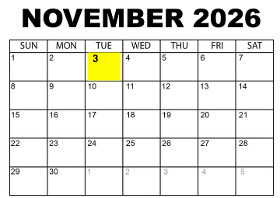
On the November 2026 ballot, North Central will ask Emmet County voters to approve a millage renewal & restoration of property tax revenue back to what was approved in 2016 to maintain current college services.
ELECTION DAY: Nov. 3, 2026
EARLY VOTING: Sept. 24, 2026
What does this mean to the College?
This support is critical to maintain current colleges operations. NCMC’s 2025–26 operating budget is $21.4 million. Operating revenue comes from a combination of Emmet County voted operational millage, charter levy, state appropriations, tuition and fees, and other sources. These components work together to keep the college running day-to-day.
Emmet County property taxes, in the form of an Operational Millage that supports college operations, account for approximately 20% of the College's operating budget. The millage ensures that:
- The college can maintain current programs, facilities, and access to education for our region
- Your dollar stays local and supports students, employers, and the regional economy
- Funds are transparently managed with annual public reporting
State contributions have not kept pace with inflation.
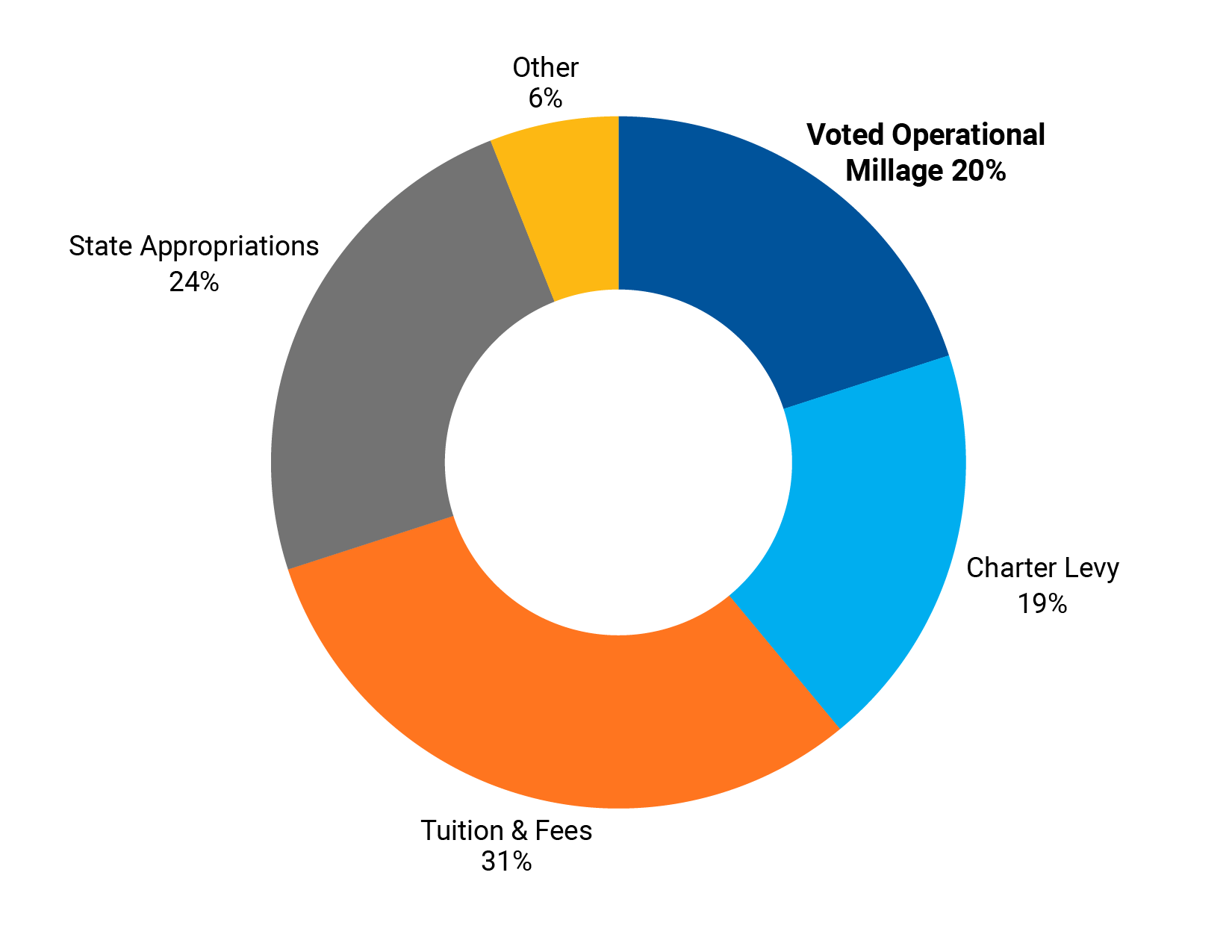
(Click on the chart to enlarge)
| Funding Source | Percent | |
|---|---|---|
| Voted Operational Millage | 20% | |
| Charter Levy | 19% | |
| Tuition & Fees | 31% | |
| State Appropriations | 24% | |
| Other | 6% |
For millage inquiries please contact Carol Laenen, VP for Strategy & Special Projects, at claenen@ncmich.edu.

What your support could mean
- If you choose to support North Central’s current operations
- If the millage passes
- If your home value is $450,000
You would be paying roughly the equivalent of
2 cups of coffee per year
to support your community’s college.
What is the impact on taxpayers?
A home with a taxable value of $100,000 has been paying $196.86 per year.
If the millage passes, this same home will be paying an additional $6.31 per year ($0.52/month)
What if my home has a higher taxable value?
The chart below depicts what you would be paying if your home's taxable value is $225,000. A $225,000 taxable value means your home value is approximately double this amount — or $450,000 (which is the median home value in Emmet County).
A home with a taxable value of
$225,000
($450,000 median home value)
If the millage passes, this home will be paying an additional
$13.72 per year ($1.14/mo.)
NCMC's Economic Impact to the Region
This community would not be the same place without North Central Michigan College.
Learn about the College's economic impact and return on investment of education.
NCMC Facts
Student-Centered and Community-Focused
Read about the College's recognitions, student profile, program offerings, sources of funding, and more.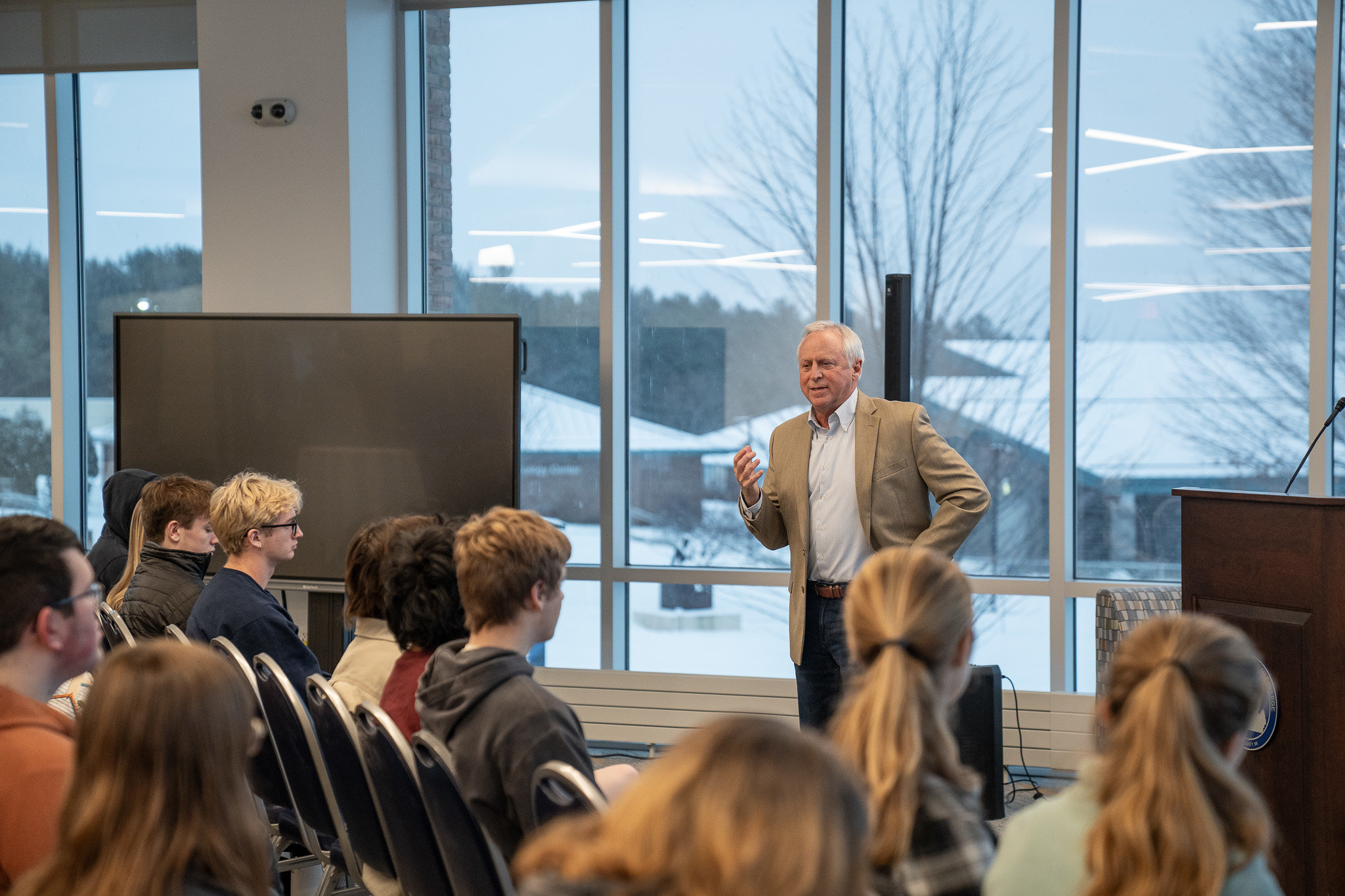
2026 Millage FAQs
Supporting informed decision-making
Questions and answers found here are designed to help community members, students, taxpayers, and local employers better understand what the proposal would do, how it would be funded, and what it means for our region.
Keeping College Within Reach
In-district tuition rate is an important value for local Emmet County families
One of NCMC’s core commitments is keeping college within reach for our students. Learn how much North Central saves our Emmet County students, how much our students transferring to a 4-year institution save, and how much in financial aid and scholarships NCMC awards.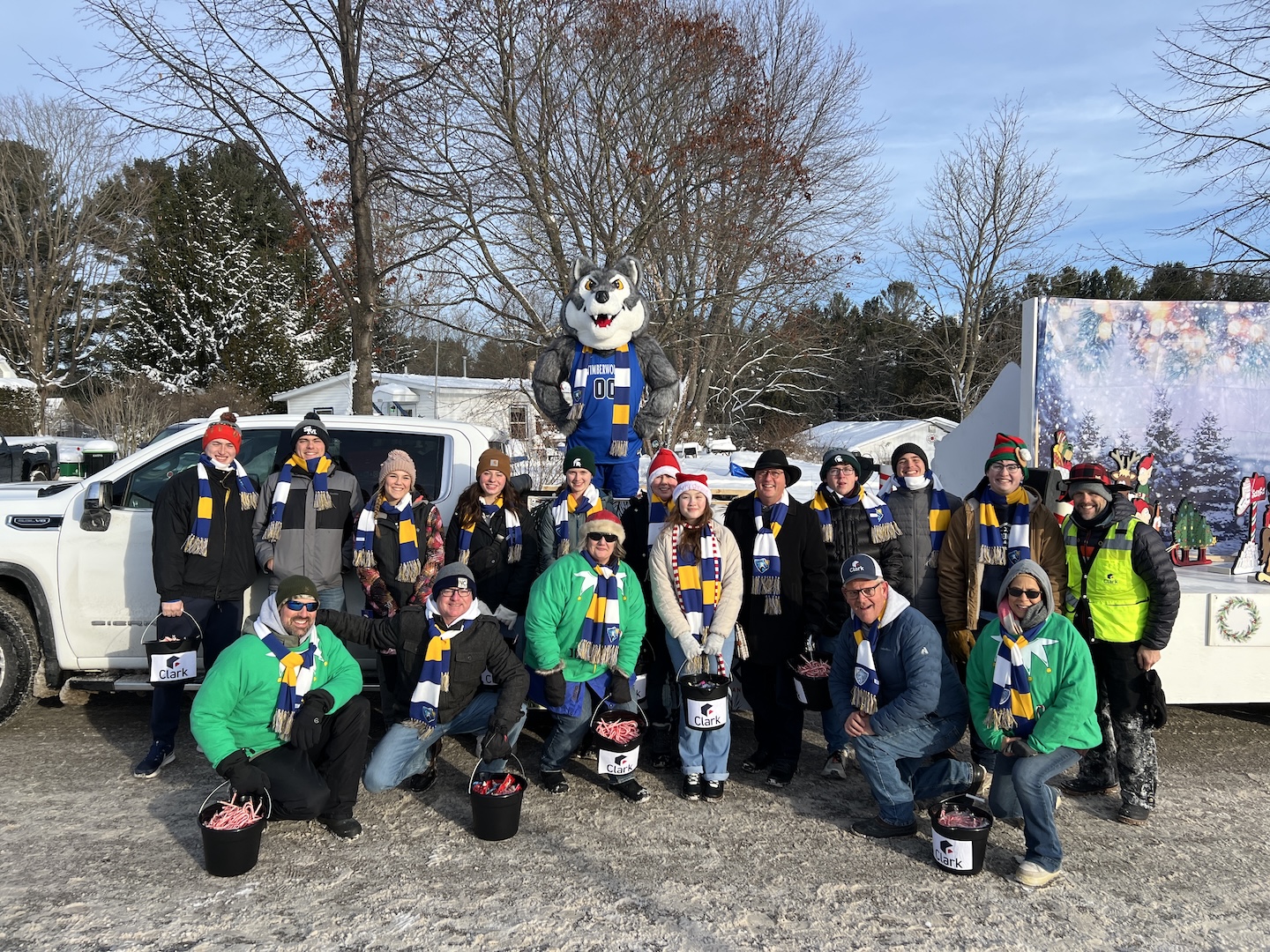
Community Connections
NCMC isn’t only classrooms
We work with employers and community partners through advisory boards, training and professional development, career services and job fairs, youth success programs, and lifelong learning opportunities. We also collaborate on major regional needs like childcare, healthcare, and housing.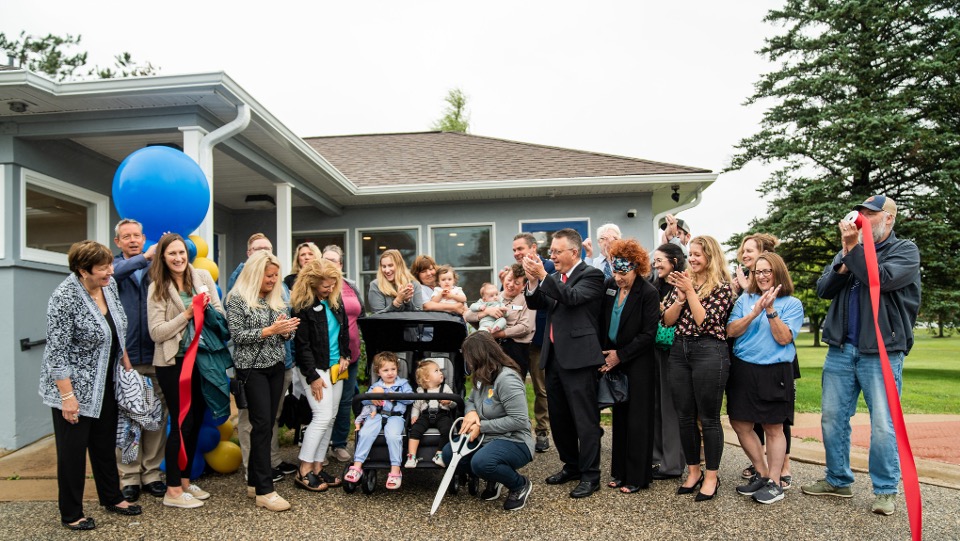
Major Initiatives
Meeting Community Needs
Current major initiatives are meeting regional workforce needs including enhancing health sciences, expanding manufacturing trades and construction trades. Also the launch of the Dental Hygiene program to address regional talent shortages and the Childcare Initiative/Early Learning Center to reduce childcare barriers.